

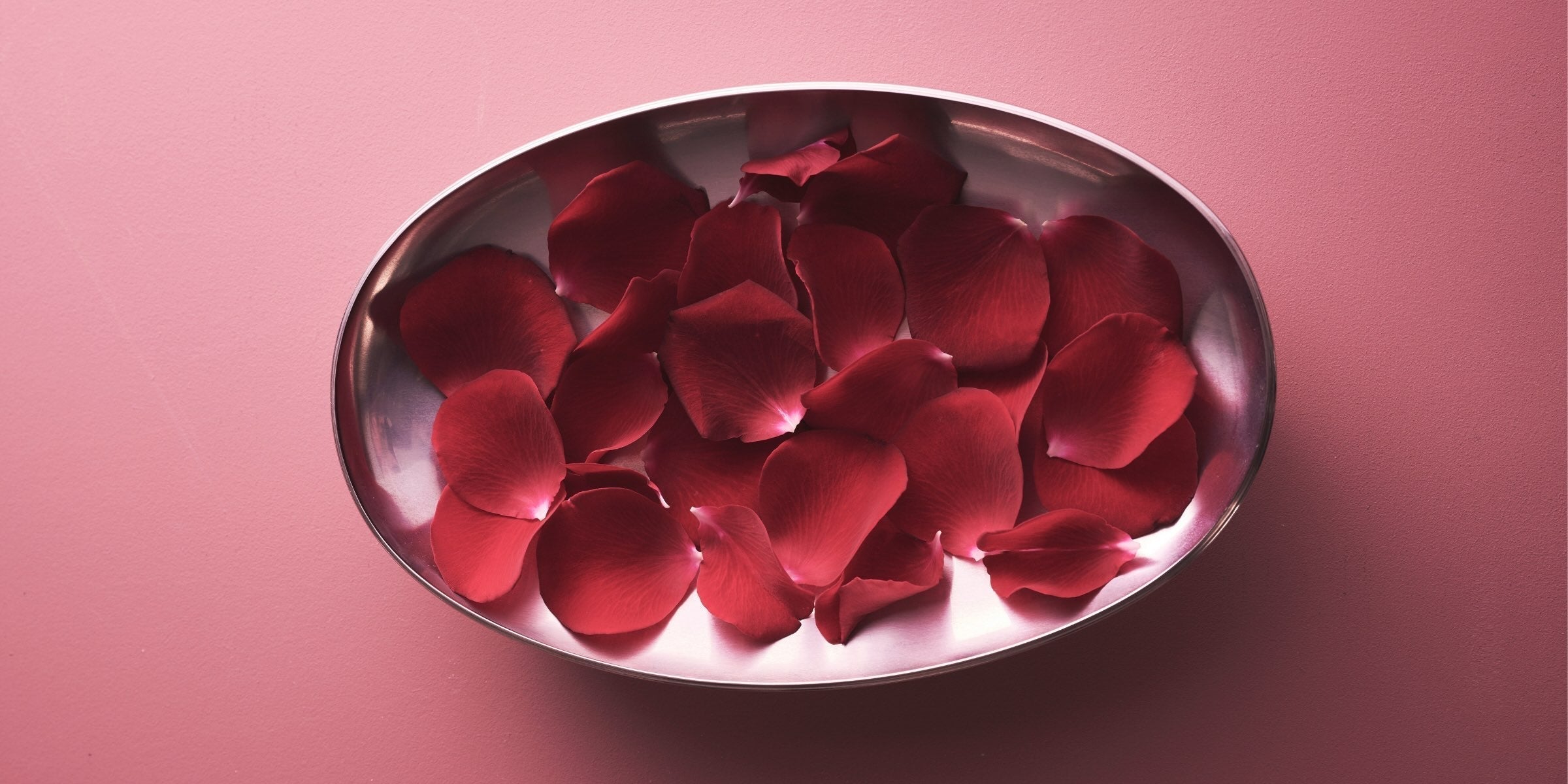
薔薇の砂糖菓子の歴史
薔薇の砂糖菓子の歴史をたどると、14世紀頃、ヨーロッパの王侯貴族の間で「薬」として重宝されていたことがわかります。中世ヨーロッパにおいて、砂糖は嗜好品ではなく貴重な薬として扱われていました。結核の治療をはじめ十種以上の効能があると考えられ、なかでも薔薇の砂糖菓子は熱を冷ます薬として用いられていたと伝えられています。とはいえ、それは貴族のための高価で特別な贅沢品でもありました。
BBCの番組 The Sweet Makers の「A Tudor Treat(Season 1, Episode 1)」では、チューダー朝時代のイギリスにおいて、卵白と砂糖を用いて薔薇の砂糖漬けを作る様子が紹介されています。お屋敷の暖炉の前で、薔薇の砂糖菓子を静かに乾燥させる場面が特に印象的でした。
17世紀になると薔薇の砂糖菓子は薬から嗜好品へと姿を変え、広く人々に親しまれるようになります。シャンパンや白ワイン、紅茶に浮かべたり、あるいは小さな菓子としてそっと口に含んだり。その優雅な楽しみ方は時を超えて今もなお受け継がれています。
現在でもヨーロッパの老舗砂糖菓子店では、薔薇の砂糖菓子を手にすることができます。また日本では、ハプスブルク家皇妃エリザベートが愛した菓子として「すみれの砂糖漬け」が紹介されることが多く、その文化的背景や物語性の高さが評価されています。
※参考:消費科学連合会「消費の道しるべ」―砂糖の歴史(2009年10月号)
-
The History of Crystallized Roses
The history of crystallized roses dates back to the 14th century, when they were prized as medicine among European nobility. In medieval Europe, sugar was considered a rare medicinal substance rather than a simple luxury, believed to offer various healing properties. Among these, crystallized roses were said to help cool the body, though they remained an expensive delicacy reserved for the elite.
The BBC series The Sweet Makers (Season 1, Episode 1, A Tudor Treat) introduces how crystallized roses were made in Tudor England using egg whites and sugar. A particularly memorable scene shows them gently drying by the fireplace.
By the 17th century, crystallized roses had transformed from medicine into a refined confection, enjoyed in champagne, white wine, or tea, or simply on their own. This elegant way of savoring them has been passed down through time.
Even today, crystallized roses can be found in traditional confectioneries across Europe.
In Japan, crystallized violets are often associated with Empress Elisabeth of Austria, and are admired for their rich cultural background and storytelling.